
Which classic science fiction books still hold up? Award winners before 1980, rated today
Readers rate award winners from before 1980 at ★ 3.91 on average, close to the ★ 4.01 for winners since 2010, but some classics have aged far better than others. Here are the classic science fiction books that hold up best today, ranked by reader ratings, and the celebrated winners that have aged least well.
The 15 classics that hold up best
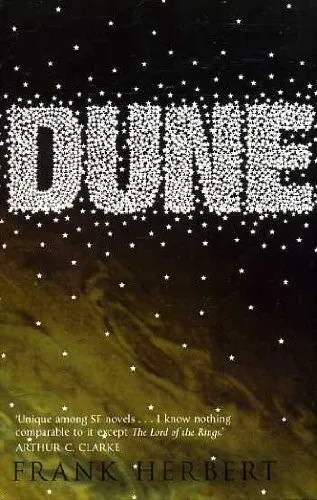
1. Dune
Won the Hugo and Nebula Awards (1966) ·
A desert planet. An empire in the balance. A future that refuses to stay written.
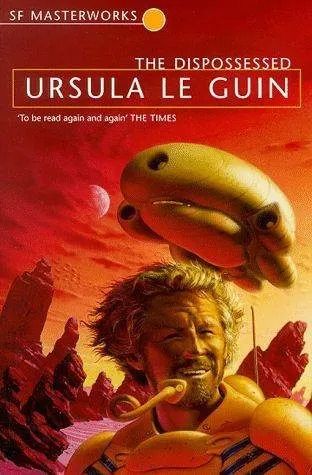
2. The Dispossessed
Won the Hugo, Locus and Nebula Awards (1975) ·
Two worlds, opposing ideals, and a physicist trying to build a bridge.
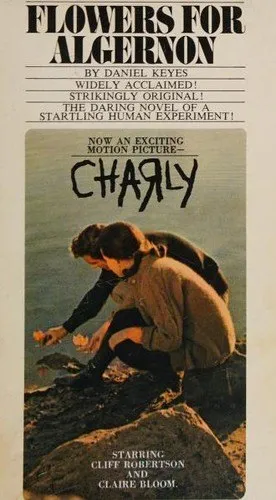
3. Flowers for Algernon
Won the Nebula Award; finalist for the Hugo Award (1967) ·
Until he was thirty-two, Charlie Gordon --gentle, amiable, oddly engaging-- had lived in a kind of mental twilight.
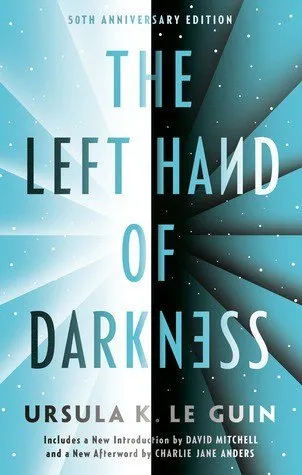
4. The Left Hand of Darkness
Won the Hugo and Nebula Awards (1970) ·
An icy world. A solitary envoy. A radical question about being human.
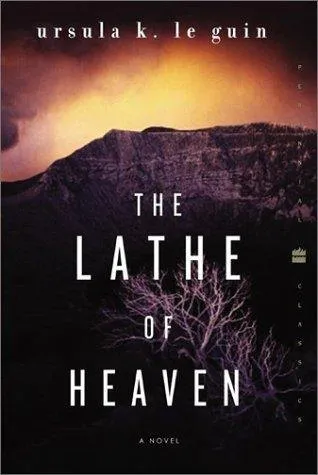
5. The Lathe of Heaven
Won the Locus Award; finalist for the Hugo and Nebula Awards (1972) ·
“The Lathe of Heaven” ; 1971 ( Ursula Le Guin received the 1973 Locus Award for this story) George Orr has a gift – he is an effective dreamer: his dreams become reality when he wakes up.
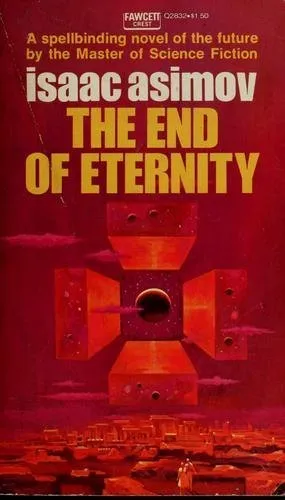
6. The End of Eternity
Finalist for the Hugo Award (1956) ·
The story of temporal engineers who meta-regulate the history of humanity through the centuries, eliminating risk, adventure, and space travel in the process.
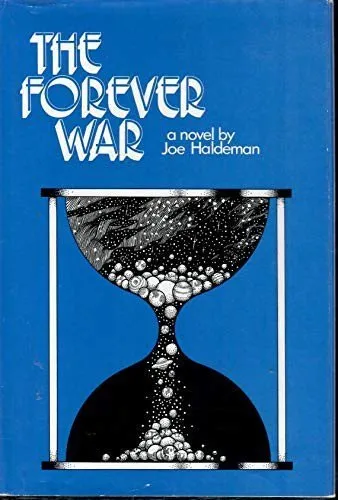
7. The Forever War
Won the Hugo, Locus and Nebula Awards (1976) ·
A soldier returns from battle to a world that has moved on without him.
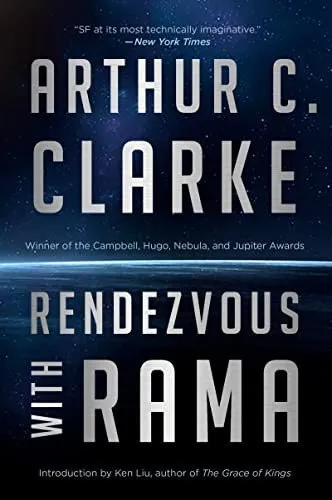
8. Rendezvous with Rama
Won the Hugo, Locus and Nebula Awards (1974) ·
Something enormous has entered the solar system. The door is open.
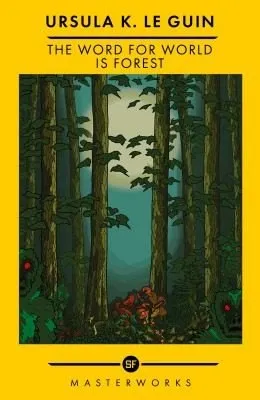
9. The Word for World is Forest
Won the Hugo Award; finalist for the Locus and Nebula Awards (1973) ·
Centuries in the future, Terrans have established a logging colony & military base named “New Tahiti” on a tree-covered planet whose small, green-furred, big-eyed inhabitants have a culture centered on lucid dreaming.
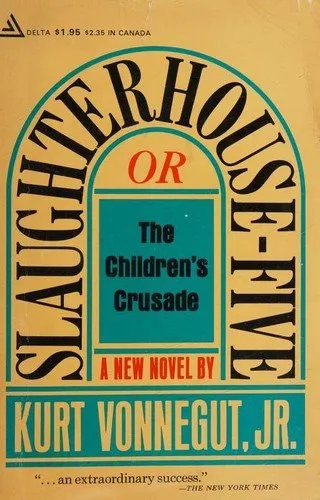
10. Slaughterhouse-Five
Finalist for the Hugo and Nebula Awards (1970) ·
Slaughterhouse-Five is one of the world's great anti-war books.
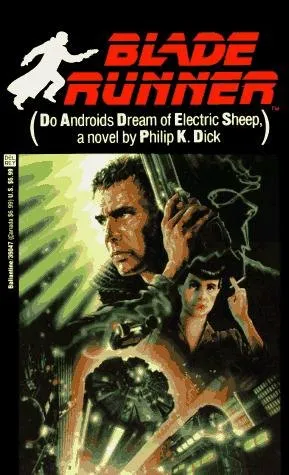
11. Do Androids Dream of Electric Sheep?
Finalist for the Nebula Award (1969) ·
It was January 2021, and Rick Deckard had a license to kill.
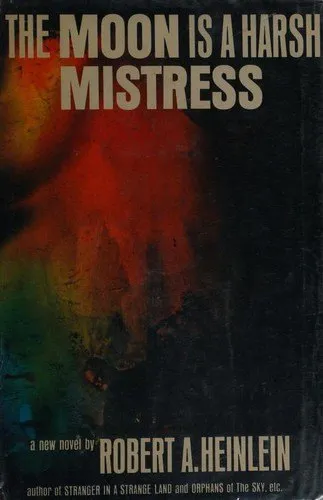
12. The Moon Is a Harsh Mistress
Won the Hugo Award; finalist for the Nebula Award (1966–1967) ·
It is the late 21st Century and the Moon has been colonized -- as a giant, open, prison.
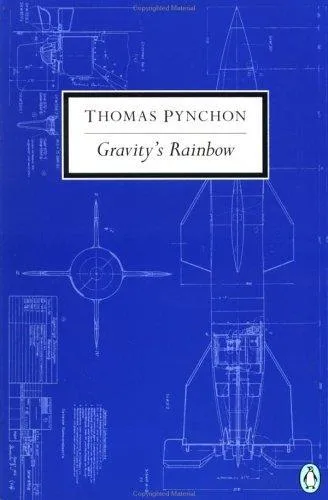
13. Gravity's Rainbow
Finalist for the Nebula Award (1974) ·
Gravity's Rainbow is a 1973 postmodern novel by Thomas Pynchon.
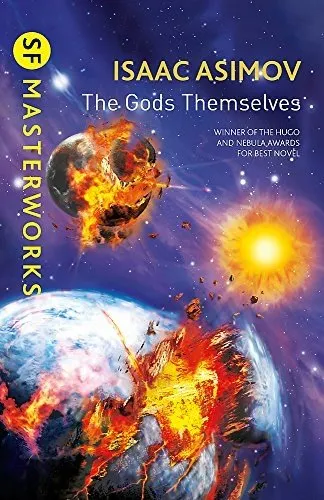
15. The Gods Themselves
Won the Hugo, Locus and Nebula Awards (1973) ·
The year is 2100 A.D.… And Man no longer stands alone in the universe.
Celebrated then, less loved now
These pre-1980 winners have the lowest reader ratings today. Many are still historically important; they just have not aged as gracefully.
- The Man in the High Castle by Philip K. Dick (★ 3.52)
- The Girl Who Was Plugged In by James Tiptree Jr. (★ 3.56)
- Babel-17 by Samuel R. Delany (★ 3.61)
- To Your Scattered Bodies Go by Philip José Farmer (★ 3.65)
- Double Star by Robert A. Heinlein (★ 3.67)
- Stranger in a Strange Land by Robert A. Heinlein (★ 3.69)
- The Demolished Man by Alfred Bester (★ 3.72)
- Starship Troopers by Robert A. Heinlein (★ 3.77)
- Ringworld by Larry Niven (★ 3.83)
- Lord of Light by Roger Zelazny (★ 3.85)
Want more? See our guide to classic science fiction and where to start.
About this data
Award records come from the Science Fiction Awards Database and cover the Novel and Novella categories of the Hugo, Nebula and Locus awards and the Arthur C. Clarke Award. Ratings are web-aggregated averages, counted only for books with at least 100 ratings. Everything updates automatically as new results are added. You are welcome to cite this page; please link back to it.