2004 Locus Award: science fiction winners and finalists
Every science fiction novel and novella recognized by the 2004 Locus Award, winners first, with page counts, reader ratings and a link to each book.
Locus recognition brings a reader perspective to the library. Formal winners and finalists are distinguished from historical poll top five selections. Those selections are not silently presented as formal finalists. Only the selected science fiction categories and eligible works are included. Official award site ↗
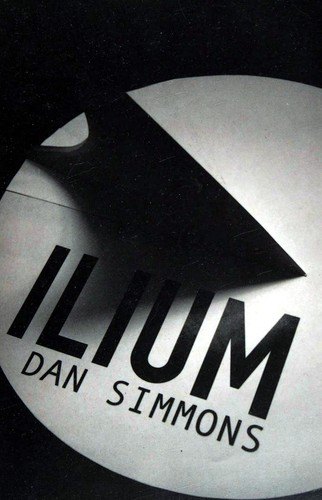
Ilium is a science fiction novel by American writer Dan Simmons, the first part of the Ilium/Olympos cycle, concerning the re-creation of the events in the Iliad on Earth and Mars. These events are set in motion by beings who have taken on the roles of the Greek gods.
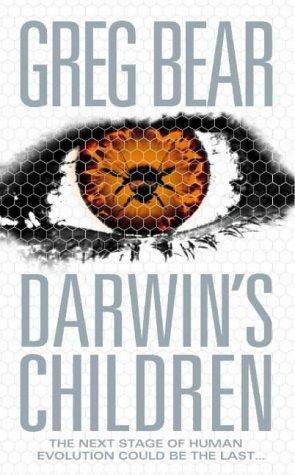
Greg Bear's Nebula Award--winning novel, Darwin's Radio, painted a chilling portrait of humankind on the threshold of a radical leap in evolution--one that would alter our species forever.
Novel · 2003 · Science fiction and fantasy crossover
Clarke winnerLocus recognition
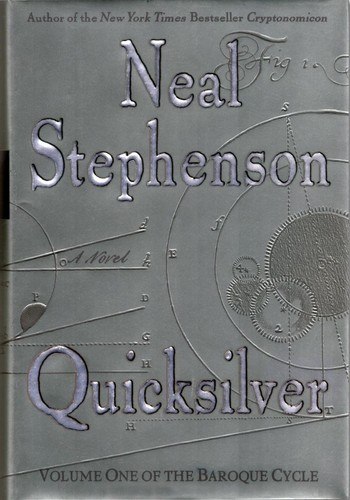
Volume One of The Baroque Cycle (Not to be confused with Quicksilver: The Baroque Cycle 1) Quicksilver is a massive, exuberant and wildly ambitious historical novel that's also Neal Stephenson's eagerly awaited prequel to Cryptonomicon--his pyrotechnic reworking of the 20th century, from World War II…
Hugo recognitionLocus recognitionNebula recognition
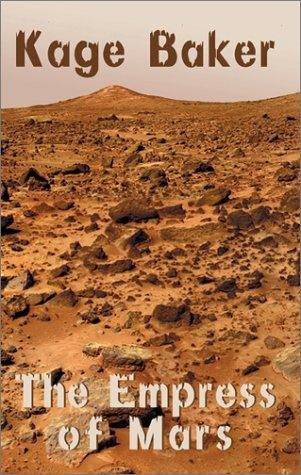
"The Empress of Mars" is a science fiction novella by American writer Kage Baker, published in 2003. It won the 2004 Theodore Sturgeon Award and was nominated for the 2004 Hugo Award for Best Novella as well as the 2004 Nebula Award for Best Novella. The novella was expanded into a novel published in 2009.
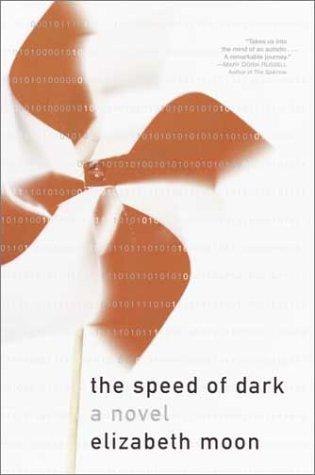
In the near future, disease will be a condition of the past. Most genetic defects will be removed at birth; the remaining during infancy. Unfortunately, there will be a generation left behind. For members of that missed generation, small advances will be made.