2003 Locus Award: science fiction winners and finalists
Every science fiction novel and novella recognized by the 2003 Locus Award, winners first, with page counts, reader ratings and a link to each book.
Locus recognition brings a reader perspective to the library. Formal winners and finalists are distinguished from historical poll top five selections. Those selections are not silently presented as formal finalists. Only the selected science fiction categories and eligible works are included. Official award site ↗
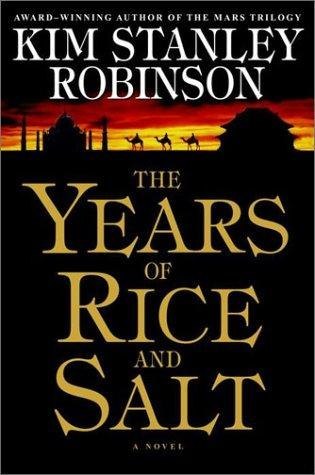
With the incomparable vision and breathtaking detail that brought his now-classic Marstrilogy to vivid life, bestselling author KIM STANLEY ROBINSON boldly imagines an alternate history of the last seven hundred years.
Hugo recognitionLocus recognitionNebula recognition
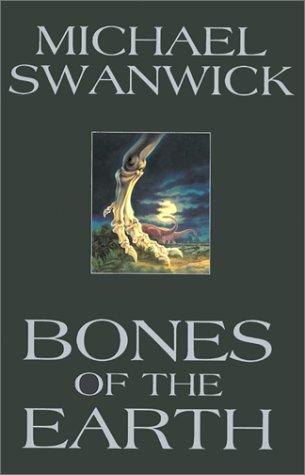
World-renowned paleontologist Richard Leyster's universe changed forever the day a stranger named Griffin walked into his office with a remarkable job offer... and an ice cooler containing the head of a freshly killed Stegosaurus.
A group of political dissidents and their families escape the repressive world of twenty-first-century Earth to seek new lives as interstellar colonists, placing themselves in cold sleep for a two-century odyssey to the habitable world of Coyote.
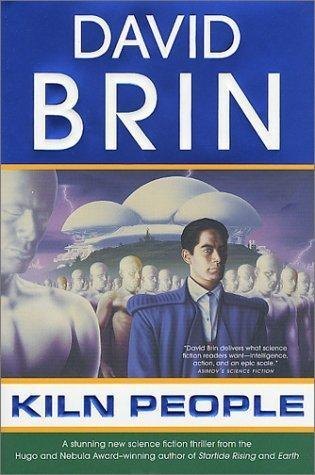
"Thanks to the new technology of imprinting, people in a near-future America can copy their personalities into animated clay bodies (called "dittos" or "golems"), which last a single day.
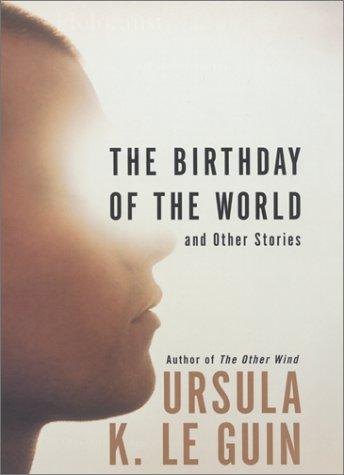
Paradises Lost is a science fiction novella by American author Ursula K. Le Guin. It was first published in 2002 as part of the collection The Birthday of the World. It is set during a multigenerational voyage from Earth to a potentially habitable planet.
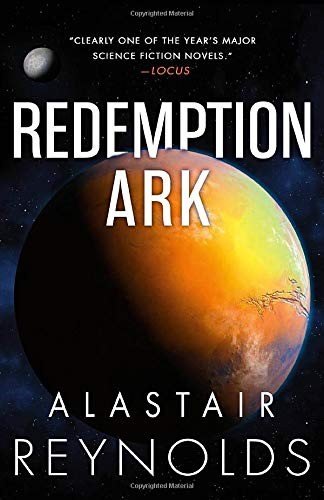
Redemption Ark is a 2002 science fiction novel by Welsh author Alastair Reynolds set in the Revelation Space universe. It continues the story of Nevil Clavain begun in the short stories "Great Wall of Mars" and "Glacial".