2003 Arthur C. Clarke Award: science fiction winners and finalists
Every science fiction novel and novella recognized by the 2003 Arthur C. Clarke Award, winners first, with page counts, reader ratings and a link to each book.
Chosen by a panel of judges, the Arthur C. Clarke Award honors the best science fiction novel first published in the UK each year. We include every winner and shortlisted book. Official award site ↗
The Separation is a novel by British writer Christopher Priest, published in 2002. It is an alternate history revolving around the experiences of identical twin brothers during the Second World War, during which one becomes a pilot for the RAF, and the other, a conscientious objector, becomes an ambulance driver for the Red Cross.
"Thanks to the new technology of imprinting, people in a near-future America can copy their personalities into animated clay bodies (called "dittos" or "golems"), which last a single day.
Light is a science fiction novel by M. John Harrison published in 2002. It received the James Tiptree, Jr. Award and a BSFA nomination in 2002, and was shortlisted for the Arthur C. Clarke Award in 2003. The Guardian ranked Light #91 in its list of 100 Best Books of the 21st Century.
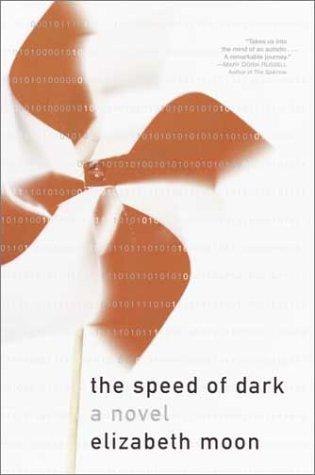
In the near future, disease will be a condition of the past. Most genetic defects will be removed at birth; the remaining during infancy. Unfortunately, there will be a generation left behind. For members of that missed generation, small advances will be made.
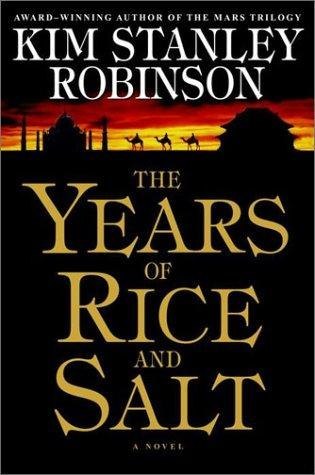
With the incomparable vision and breathtaking detail that brought his now-classic Marstrilogy to vivid life, bestselling author KIM STANLEY ROBINSON boldly imagines an alternate history of the last seven hundred years.